
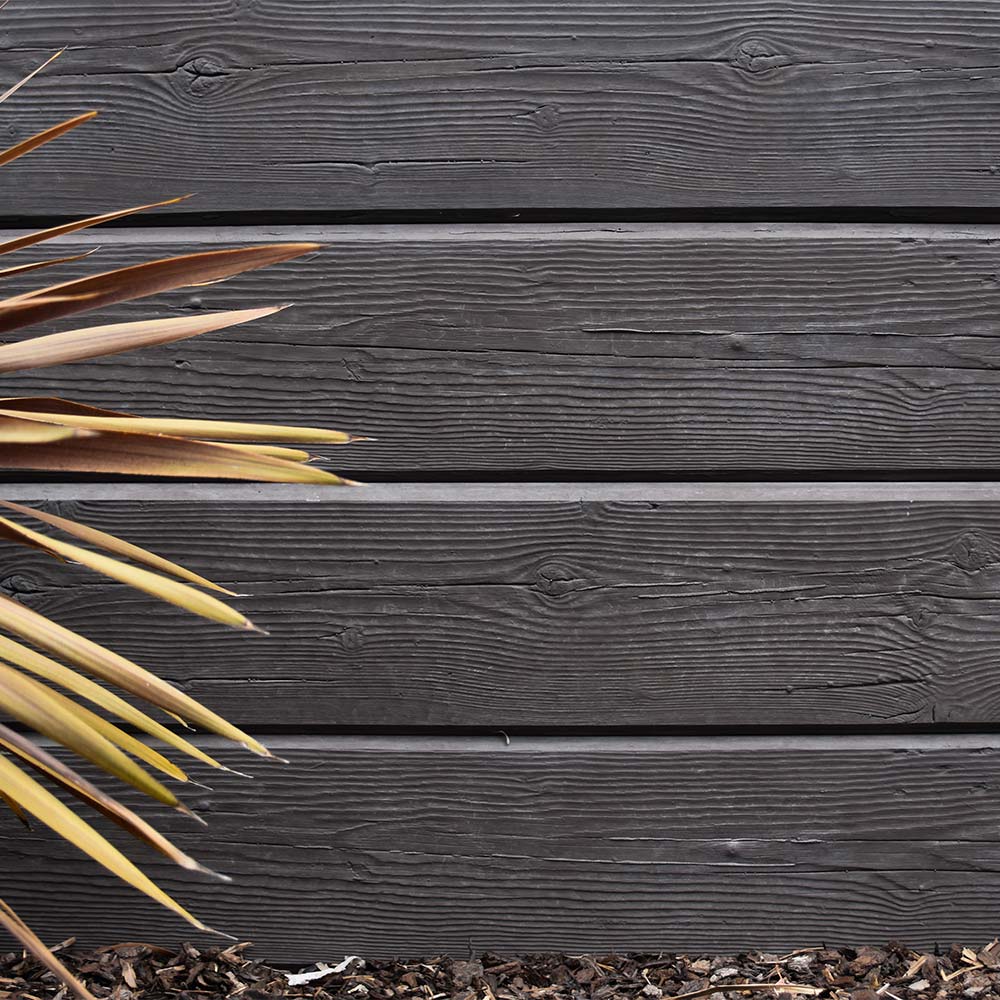
Concrete sleepers have emerged as a preferred choice for retaining walls, acclaimed for their exceptional durability, long lifespan, and low-maintenance convenience.
However, the decision-making process is enriched by the diversity of available alternatives, each offering distinct advantages, challenges, and aesthetic qualities. From timber and steel to natural stone and brick, a wide range of materials is available, each offering unique benefits for different project needs and design preferences.
Understanding Concrete Sleepers
Concrete sleepers, made from precast concrete reinforced with steel, excel in their versatility, offering a range of sizes and designs suitable for various landscaping needs. Their durability is a significant advantage, with a potential lifespan of up to 50 years, making them resistant to rot, termites, and fire. This feature is particularly valuable in bushfire-prone areas, ensuring a long-lasting and safe retaining solution.
However, the substantial weight of concrete sleepers requires specialised machinery and expertise for installation, which can lead to higher initial costs compared to lighter alternatives. Despite this, their long-term benefits—minimal maintenance needs and enduring resilience—often outweigh the upfront investment, making them a cost-effective choice for those seeking a robust, low-maintenance retaining wall solution.
Exploring Other Retaining Wall Materials
Exploring alternative materials for retaining walls opens a world of possibilities, each with unique advantages suited to different landscaping aesthetics and functional requirements.
Timber
Timber retaining walls, celebrated for their inherent natural beauty and ability to blend seamlessly with any landscape, require a diligent maintenance regimen to preserve their integrity and appearance. The organic nature of wood makes it susceptible to environmental adversaries such as rot, termites, and decay, which can compromise its durability if not properly treated and regularly inspected. To mitigate these issues, timber walls often require treatment with preservatives and protective coatings to shield the wood from moisture and pests, thereby extending its serviceable life.
Despite their undeniable aesthetic appeal, which adds warmth and a sense of natural harmony to garden and outdoor spaces, timber walls are vulnerable to the forces of nature over time. Environmental fluctuations, including changes in moisture and temperature, can cause wood to warp, twist, and split. These physical alterations not only detract from the retaining wall’s visual appeal but also diminish its structural integrity, potentially raising safety concerns and necessitating repair or replacement sooner than anticipated.
Moreover, the longevity of timber walls is significantly influenced by the type of wood used, with some species being more resistant to decay and insect attack than others. Selecting high-quality, durable timber species and ensuring proper drainage can alleviate some of these concerns, but the inherent need for ongoing maintenance and vigilance remains a critical consideration for anyone considering timber for their retaining wall project.
Steel
Steel retaining walls, particularly those crafted from Corten and galvanised steel, are highly regarded for their sleek, modern aesthetic and structural fortitude. These materials are engineered to offer significant resistance against the elements, making them a durable choice with a potential lifespan extending up to 25 years. Corten steel, known for its weathered, rustic appearance, develops a protective layer of rust that shields the steel underneath from further corrosion. In contrast, galvanised steel is treated with a protective zinc coating to resist rust and deterioration.
However, while these steel options are celebrated for their contemporary visual appeal and robustness, they come with considerations that might limit their suitability for all projects. The initial investment for steel retaining walls can be substantial, reflecting the cost of the materials and the specialised installation they require. This aspect may place them at a higher price point compared to other retaining wall materials.
Furthermore, despite their inherent strength and designed corrosion resistance, these steel types remain vulnerable to corrosion, particularly in harsh environments. Coastal areas, with their salty air and high moisture levels, can accelerate corrosion, potentially compromising the integrity and appearance of the wall over time. This susceptibility requires additional consideration of protective treatments or maintenance strategies to ensure the wall’s longevity, potentially increasing overall costs and maintenance requirements.
In summary, while Corten and galvanised steel retaining walls offer an attractive, modern option for landscapes, weighing their aesthetic and structural benefits against their cost and maintenance needs, especially in environments prone to corrosion, is essential for making an informed decision.
Natural Stone
Utilising natural stone materials, such as sandstone and limestone, for retaining walls adds an element of timeless elegance and unparalleled durability to landscaping projects. These materials have stood the test of time, not only for their classic visual appeal but also for their ability to endure for generations, with some structures boasting lifespans that extend well beyond a century. The natural variation in colour, texture, and pattern of each stone piece ensures a unique, visually engaging structure that complements a wide range of landscape designs.
However, the decision to incorporate sandstone or limestone into a retaining wall project comes with its own set of challenges, primarily related to the complexity and cost of installation. The inherent weight and irregularity of natural stone require precise craftsmanship and handling during construction, often necessitating specialised skills and equipment. This labour-intensive process can significantly impact the overall project timeline and budget, making it more expensive than other materials.
Moreover, the financial implications of choosing natural stone extend beyond the initial installation. The cost of high-quality sandstone and limestone, especially for larger or more complex projects, can be considerably higher than alternative materials. While its longevity and aesthetic appeal may justify the investment in natural stone, it is an important factor for project planners and homeowners to consider, particularly when budget constraints are a concern.
That means, while the beauty and resilience of sandstone and limestone retaining walls are undeniable, they demand a careful assessment of the project’s scope, budget, and desired outcome. Balancing the timeless appeal and durability of these materials with the intricacies and costs of their installation is crucial to ensuring the final project aligns with both aesthetic aspirations and practical considerations.
Brick
Brick retaining walls stand out for their design versatility and classic appeal, providing a range of aesthetic options to fit any landscape or architectural style. The enduring charm of brick, coupled with its ability to complement both modern and traditional designs, makes it a favoured choice among homeowners and landscape designers. Additionally, brick walls are known for their low maintenance requirements, a significant advantage for those seeking a balance between beauty and practicality. With a lifespan of up to 25 years, these walls are a testament to the durability of brick as a building material.
Despite these benefits, brick retaining walls are not without their vulnerabilities. Over time, exposure to adverse weather conditions, such as extreme temperatures, heavy rainfall, and freeze-thaw cycles, can cause brick walls to deteriorate. The porous nature of brick can allow moisture to penetrate, potentially causing damage such as cracking, spalling, and disintegration of the mortar joints. This moisture penetration can be exacerbated in climates with significant weather fluctuations, increasing the risk of structural weakness and aesthetic decline over time.
The longevity and integrity of a brick retaining wall can be significantly enhanced through proper construction techniques, such as adequate drainage and the use of high-quality materials, to resist water infiltration and weather-related wear.
In summary, while brick retaining walls offer significant aesthetic and functional benefits, including versatility, durability, and low maintenance, they require careful consideration of environmental factors and potential weather-induced wear. By addressing these concerns through thoughtful design and ongoing maintenance, brick walls can continue to serve as visually appealing and sturdy landscape features well into the future.
Gabion Baskets
Gabion baskets, characterised by wire-mesh cages filled with rocks or other durable materials, offer a unique and versatile solution for retaining walls. Their adaptability lies in their ease of construction and ability to be moulded to fit various landscape contours, providing both structural support and enhanced drainage. This drainage promotion is particularly advantageous in areas susceptible to waterlogging, as it prevents water buildup behind the wall, thus reducing pressure and potential damage.
An additional benefit of gabion baskets is their eco-friendliness. They can be filled with a variety of materials, including recycled or locally sourced stones, contributing to environmental sustainability and potentially reducing project costs. This aspect makes gabion baskets an appealing choice for those looking to minimise their ecological footprint while achieving functional and aesthetic landscape goals.
However, despite their practical advantages and environmental appeal, gabion baskets may not seamlessly integrate into every landscape design. Their industrial look can be perceived as too harsh or out of place in more traditional or formal garden settings, where a more natural or refined appearance is desired. Achieving aesthetic harmony with gabion baskets may require thoughtful planning and design, possibly incorporating plants or other elements to soften their appearance.
Maintenance considerations also play a role in the use of gabion baskets. Over time, the wire mesh that forms the baskets’ structure can be susceptible to rust and corrosion, particularly in moist or saline environments. Regular inspection and maintenance are required to address any signs of wear and prevent structural failure. Additionally, though less common, erosion of the fill material can occur, necessitating occasional refilling or stabilisation to maintain the wall’s integrity.
Comparative Analysis
When evaluating the merits of concrete sleepers relative to alternative retaining wall materials, a holistic approach that considers multiple factors is essential. These factors include cost-effectiveness, the extent of required maintenance, the material’s environmental impact, the complexity of installation, and the aesthetic contribution to the overall landscape design.
Concrete sleepers are often lauded for striking an optimal balance across these considerations. They are known for their robustness and longevity, traits that minimise the need for frequent maintenance. This durability, combined with a relatively straightforward installation process, makes them a cost-effective choice for many projects, offering good value over their lifespan.
From an aesthetic standpoint, concrete sleepers offer a contemporary look that can be tailored to various design preferences through a range of finishes and colours. This versatility allows them to blend seamlessly into a range of landscape styles, from the modern and minimalist to the more traditional and rustic. While concrete sleepers excel in durability, ease of maintenance, and long-term cost-effectiveness, the choice ultimately depends on the project’s specific requirements.