
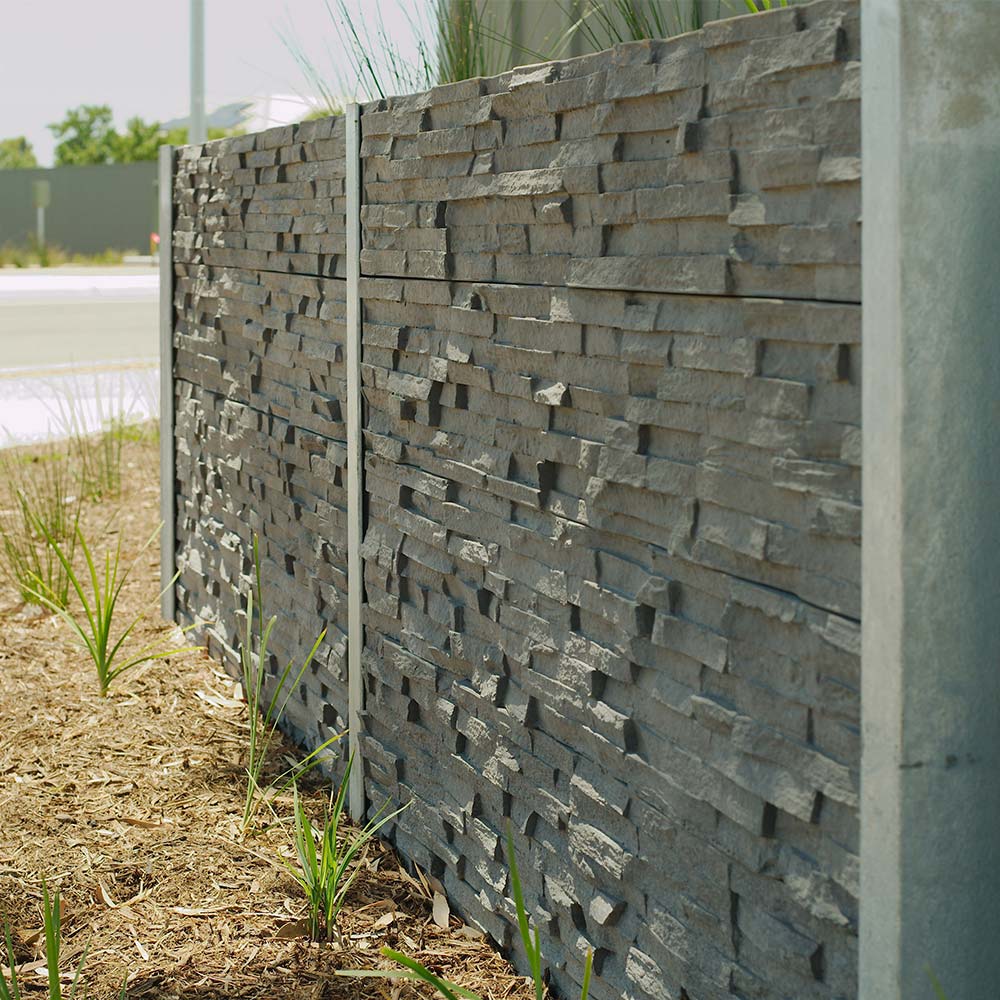
Retaining walls, particularly those made from concrete sleepers, play a crucial role in landscaping. They offer not only aesthetic value but also essential functional support for managing soil and terrain. The inherent robustness of concrete sleepers makes them a preferred choice; however, their durability heavily relies on regular maintenance.
Routine upkeep is essential to maintain their structural integrity and to prevent costly repairs. Ignoring regular maintenance can lead to significant issues, undermining both the safety and visual appeal of these critical landscape features. It’s important to understand that, while concrete sleepers are strong, their longevity and effectiveness depend on consistent care and attention.
Understanding the necessity of maintenance for concrete sleeper retaining walls leads us smoothly into a series of practical tips. These tips are designed to help you preserve the integrity and appearance of your walls, ensuring they continue to function effectively in your landscape.
Tip #1: Conduct Regular Inspections
Regular inspections are essential for maintaining the integrity of concrete sleeper retaining walls. These inspections should be thorough, focusing on early signs of wear such as cracks, bulges, or structural shifts, particularly where the wall meets the ground. This area is often the first to show signs of potential issues due to the high stress it experiences.
Addressing these signs promptly is crucial in preventing further deterioration. Such proactive maintenance not only extends the wall’s lifespan but also ensures its continued effectiveness in stabilising your landscape. Regular checks, though seemingly minor, can prevent costly, labour-intensive long-term repairs.
Tip #2: Follow Our Maintenance Guidelines
Our concrete products are extremely strong and robust building products. However, there are some basic care principles to follow to ensure that our products perform to their capabilities.
DO follow the installation guides in our Product Guide on how to build your retaining wall.
DO use plastic (Forticon) behind the sleepers before backfilling the wall.
DO use an Agi drain at the base of the wall to allow drainage.
DO NOT scrub the sleepers’ faces to remove dirt or stains. Use a light spray from the garden hose to soften the dirt or stain, then remove it by hand (if possible).
DO NOT use a pressure hose to clean the sleepers/ UFPs.
DO NOT subject the concrete sleepers / UFP’s to excessive water hitting the face from a sprinkler system.
DO NOT use any chemical solutions to clean the sleepers (other than Efflorescence Remover).
Tip 3: Prevent Water Damage
Proper drainage is essential for maintaining the structural integrity of concrete sleeper walls. Inadequate drainage can lead to water accumulation, which not only weakens the concrete but also increases pressure against the wall. To mitigate this risk, consider installing drainage systems such as pipes or French drains, which effectively redirect water away from the wall.
Additionally, it’s important to manage the amount of water near the wall. Excessive watering of plants near the wall can lead to seepage into the concrete, further weakening it. By ensuring appropriate drainage and water management, you can significantly extend the life and durability of your concrete sleeper retaining wall.
Tip 4: Have a Weed and Plant Control Strategy
Managing vegetation growth near retaining walls is crucial to prevent structural damage. Roots from plants and trees can grow towards the walls, exerting pressure and causing cracks or bulges. To mitigate this risk, regular weeding around the wall is advised to control unwanted plant growth.
When selecting plants for areas near the wall, opt for species with non-invasive root systems to minimise the risk of root intrusion. Additionally, consider the mature size of the plants to ensure they won’t exert pressure on the wall as they grow. This careful management of vegetation not only protects the wall’s structural integrity but also enhances its aesthetic appeal.
Tip 5: Understanding Lime Bloom
What is Lime Bloom & Lime Stain? All pre-cast concrete products are susceptible to Lime Bloom, which can appear on your concrete sleepers as thin white patches and can also make your concrete sleepers go a lighter colour overall. Lime Bloom can also give the appearance of staining and ‘weeping.’
People can often mistake Lime Bloom as a defect in the product or poor-quality product colour control, but this is not the case.
Lime Bloom is not detrimental in any way to the structural integrity of the concrete sleeper and is purely an aesthetic issue.
Cause & Prevention
Lime Bloom occurs when excess ‘lime’ in the form of Calcium Hydroxide migrates to the surface of the concrete sleeper as the material dries out. When this reaches the surface of the sleeper it reacts with carbon dioxide from the atmosphere which results in calcium carbonate deposits being left on the surface of the sleeper.
Concrete sleepers should be protected from the rain as much as possible which we realise is easier said than done. Prevention of excess water and moisture on the concrete sleepers will reduce the likelihood of Lime Bloom occurring.
Remedy for Lime Bloom
Lime Bloom is temporary and typically disappears due to normal weathering. Rainwater, which is slightly acidic, will dissolve the calcium carbonate deposits on the surface of concrete sleepers over time. This length of time depends on a variety of factors such as environmental issues such as the volume of rainfall, site conditions i.e., sand, shale etc.
Conclusion
Maintaining concrete sleeper retaining walls is essential for ensuring their longevity and functionality. Regular inspection helps identify early damage, while routine cleaning prevents debris accumulation. Promptly addressing repairs, effectively managing water drainage, controlling vegetation near the wall, and applying high-quality sealant are all crucial steps in wall maintenance. Outback Sleepers offers expert advice and support in these areas, ensuring the long-lasting integrity of your retaining walls.