
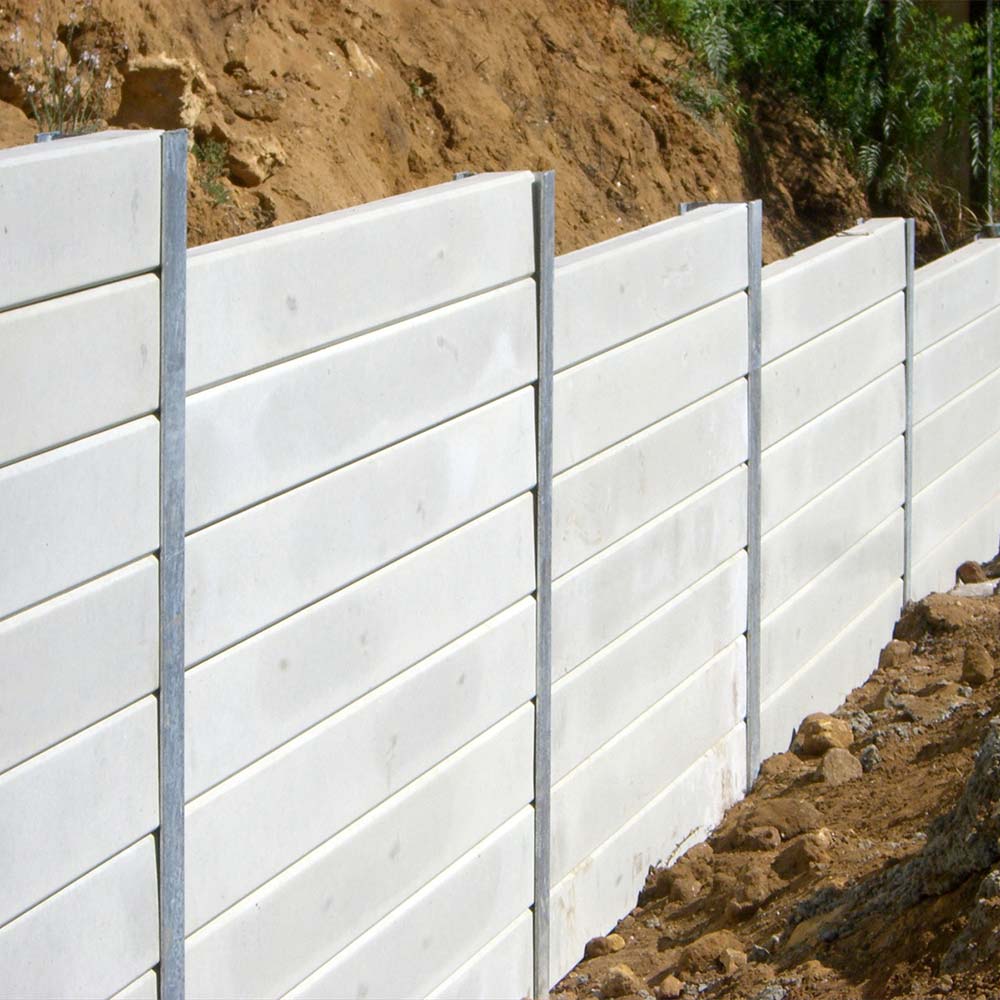
Moisture Management
Moisture is one of the primary concerns for retaining wall stability. Excessive water buildup behind the wall can create hydrostatic pressure, causing the wall to lean, crack, or even collapse. To mitigate this risk, proper drainage systems are integral to retaining wall designs.
Drainage Systems: Incorporating drainage solutions such as perforated pipes, weep holes, and gravel drains can help redirect water away from the wall, reducing pressure and preventing water damage. These systems collect excess water and channel it away from the wall, preventing it from accumulating behind the structure.
Waterproofing and Sealants: Applying waterproof coatings or sealants to the wall materials can also prevent moisture penetration, especially in materials prone to water absorption. This is particularly important in climates with heavy rainfall or for walls in contact with groundwater.
Temperature Considerations
Temperature fluctuations can cause materials to expand and contract. Over time, this may lead to cracks or structural damage. Selecting materials with thermal expansion properties compatible with the local climate is crucial.
Material Selection: Materials like concrete and stone have relatively low thermal expansion coefficients compared to metals, making them more stable in environments with wide temperature variations. For metal components, choosing alloys designed for outdoor use and thermal variation can mitigate these issues.
Design Flexibility: Incorporating expansion joints into the wall design allows materials to move naturally without causing damage. These joints prevent stress from being transferred to the wall itself.
Erosion Control
Erosion can undermine the foundation of retaining walls, leading to instability and failure. Strategies to combat erosion are especially important in areas prone to heavy rains or where the soil is naturally loose or sandy.
Vegetation: Planting vegetation near the wall can significantly reduce soil erosion. The roots of plants help to bind the soil, reducing runoff and the potential for soil loss. Choosing native plants well-adapted to local climate and soil conditions can provide an effective, environmentally friendly erosion-control measure.
Terracing and Grading: Designing the landscape in terraces or with gentle slopes can also help reduce the velocity of water runoff, minimising erosion. Proper grading ensures that water flows away from the wall, reducing the risk of undermining the foundation.
Geotextiles: Installing geotextile fabric behind and under the wall can help stabilise the soil and prevent erosion. These fabrics allow water to pass through while keeping soil in place, providing an additional layer of protection against erosion.
In conclusion By addressing moisture, temperature, and erosion in the design and construction of retaining walls, you can ensure their longevity and stability. Proper drainage, careful material selection, and erosion control measures are key to preventing common issues that can compromise retaining wall integrity, making them essential considerations for any project.